Evaluating the Reusable Products Flat Color Objects Set for Modern Web and Animation Projects
In the evolving landscape of digital design, the demand for assets that communicate sustainability without sacrificing aesthetic appeal has grown significantly. Designers, marketers, and content creators are increasingly tasked with visualizing eco-friendly concepts for websites, educational materials, and animated explainers. Within this context, the Reusable Products Flat Color Objects Set emerges as a specialized resource. This collection typically includes zero-waste isolated cartoon illustrations such as eco bags, glass jars for preserving, beach hats, and table lamps, rendered in a distinct flat color style. Understanding the specific utility, strengths, and limitations of this asset pack is essential for professionals deciding whether it aligns with their current project requirements or if an alternative approach might yield better results.
Defining the Asset: Style and Composition
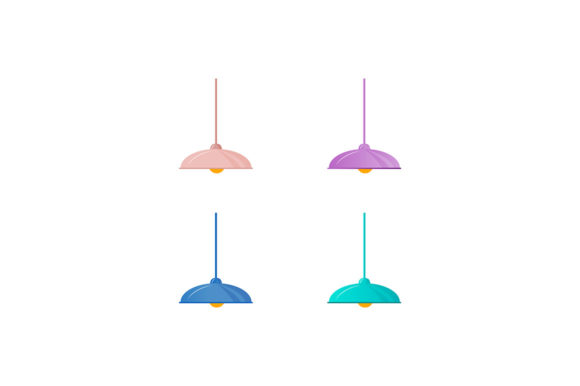
The core value of the Reusable Products Flat Color Objects Set lies in its stylistic consistency and thematic focus. Unlike photorealistic stock photography or complex 3D renders, these vector objects utilize a flat design language. This means they rely on solid blocks of color, clean lines, and simplified shapes rather than gradients, shadows, or intricate textures. The "zero waste" theme is central, featuring items like glass jars specifically designed for food preservation, cloth eco bags, and sustainable lifestyle items like beach hats and energy-efficient table lamps.
What makes this set distinct is its isolation. Each object is presented as a standalone element, free from background clutter. This isolation is critical for graphic designers who need to integrate these items into diverse layouts without the hassle of masking or background removal. Furthermore, the inclusion of both raster (JPG) and vector (EPS) formats in the ZIP file provides a dual-layer of versatility. The EPS files allow for infinite scalability, ensuring that a small icon on a mobile interface remains crisp, while the JPGs offer immediate usability for quick mockups or platforms with limited vector support.
Comparative Analysis: Flat Vector vs. Alternative Visual Styles
When evaluating the Reusable Products Flat Color Objects Set, it is helpful to compare it against other common visual resources available to designers. The primary alternatives usually fall into three categories: photorealistic stock images, hand-drawn sketch styles, and 3D rendered icons.
- Photorealistic Images: While photos offer high detail and emotional resonance through lighting and texture, they often clash with modern, minimalist web designs. Integrating a photo of a glass jar into a flat UI can look disjointed. The flat color set ensures visual harmony with contemporary web trends that favor simplicity and speed.
- Hand-Drawn Sketches: Sketch styles convey a sense of artisanal craftsmanship, which fits the "eco" narrative well. However, they can sometimes appear inconsistent in line weight or color balance, making them difficult to align in a grid system. The flat color objects provide a uniformity that sketch sets often lack, facilitating cleaner layout structures.
- 3D Renders: Three-dimensional icons are trendy and add depth, but they come with significant tradeoffs. They often have larger file sizes, which can impact website loading speeds—a crucial factor for SEO and user experience. Additionally, modifying a 3D render usually requires specialized software skills. In contrast, the vector nature of the flat color set allows any designer to alter colors or shapes easily using standard tools like Adobe Illustrator or Inkscape.
The decision often comes down to the project's tone. If the goal is to evoke a raw, organic feeling, sketches might win. If the goal is high-end luxury, photos may be superior. However, for clarity, scalability, and integration into functional web graphics or animation sequences, the Reusable Products Flat Color Objects Set often presents the most balanced option.
Practical Applications in Web Design and Animation
The utility of this collection extends beyond static imagery. Because the objects are isolated and vector-based, they are particularly well-suited for animation collections. In motion graphics, flat objects are easier to rig and animate than complex photographs. For instance, an animator can easily create a sequence where an eco bag fills with groceries or a glass jar seals shut to demonstrate food preservation techniques. The clean edges and solid colors reduce rendering times and ensure smooth playback across different devices.
For web graphic design, these assets serve as excellent visual anchors for landing pages dedicated to sustainability initiatives. A section explaining "How to Start Zero Waste Living" can utilize the beach hat and table lamp icons to break up text-heavy content, improving readability and user engagement. The consistent color palette helps maintain brand identity, allowing designers to recolor the vectors to match specific corporate branding guidelines without losing the integrity of the illustration.
Strengths and Tradeoffs
Every design resource involves tradeoffs, and understanding them is key to making an informed choice. The primary strength of the Reusable Products Flat Color Objects Set is its adaptability. The EPS format ensures that the graphics are resolution-independent, a non-negotiable requirement for responsive web design where images must look sharp on everything from smartwatches to 4K monitors. Additionally, the "cartoon" aspect of the illustration style adds a friendly, approachable tone to serious environmental topics, potentially increasing audience retention.
However, there are limitations. The flat style, by definition, lacks depth. If a project requires a sophisticated, moody, or highly textured aesthetic, these bright, simple objects might feel too playful or juvenile. Furthermore, while the set covers common zero-waste items like jars and bags, it may not include niche products required for highly specific campaigns. Designers might find themselves needing to supplement this set with custom illustrations if their content demands a broader range of specific reusable products not included in the standard collection.
Decision Factors: When to Choose This Set
Determining whether the Reusable Products Flat Color Objects Set is the right fit depends on several project-specific variables. Professionals should consider the following factors before committing to this resource:
- Target Audience: Is the audience looking for approachable, easy-to-understand information? The cartoon-style flat design excels in educational contexts and for general consumer audiences. If the audience is strictly B2B industrial buyers expecting technical diagrams, this style may be too informal.
- Technical Constraints: Does the project require fast load times and scalability? If yes, the vector EPS files in this set are superior to heavy raster images. For projects where file size is less of a concern and visual realism is paramount, other options should be explored.
- Customization Needs: Will the graphics need to be modified? If the project requires changing the color of the eco bag to match a specific brand hex code, the vector format is essential. If the images will be used "as-is" without modification, high-quality JPGs from other sources might suffice.
- Animation Requirements: Are you planning to animate these elements? Flat objects are generally the easiest to animate for web interactions (such as hover states or scrolling effects). If the project is purely static print media, the animation potential of the set becomes less relevant, though the print quality of vectors remains a benefit.
Integrating Sustainability into Visual Strategy
Beyond the technical specifications, using assets like the Reusable Products Flat Color Objects Set sends a meta-message about the project itself. By choosing digital vectors over downloading multiple large photographic files, designers are indirectly practicing the efficiency that the "zero waste" theme promotes. The clean, uncluttered nature of flat design mirrors the philosophy of minimalism inherent in the zero-waste movement.
When incorporating items like the glass jar for preserving or the table lamp into a design, it is important to ensure the surrounding content matches the clarity of the visuals. These objects work best when paired with concise copy and ample white space. Overcrowding the design with too many elements can negate the benefits of the simple flat style. The goal is to let the isolated objects breathe, drawing the viewer's eye immediately to the sustainable product being highlighted.
Final Evaluation and Recommendations
The Reusable Products Flat Color Objects Set represents a pragmatic solution for a specific segment of the design market. It bridges the gap between the need for thematic relevance (sustainability) and the technical demands of modern web and animation workflows. While it may not replace the need for custom photography in high-end editorial spreads or the depth of 3D modeling for immersive experiences, it offers an unparalleled balance of ease-of-use, scalability, and stylistic consistency for digital interfaces.
For professionals researching resources for eco-conscious campaigns, educational platforms, or startup landing pages, this set provides a solid foundation. The inclusion of both EPS and JPG formats ensures that regardless of the final output medium, the assets remain usable. However, designers must remain aware of the stylistic constraints of flat design. If the project demands emotional depth through lighting and texture, or if it requires a vast array of specific products beyond the standard zero-waste staples, supplementing this set with other resources or commissioning custom art may be necessary.
Ultimately, the choice rests on the alignment between the project's goals and the asset's capabilities. By carefully weighing the tradeoffs between style, functionality, and customization, designers can determine if this flat color collection is the optimal tool to bring their sustainable vision to life. In a digital ecosystem that values speed, clarity, and environmental consciousness, such specialized vector sets continue to play a vital role in effective visual communication.