Embracing the Season: Creative Ways to Use Autumn Anatomical Floral Human Heart Art
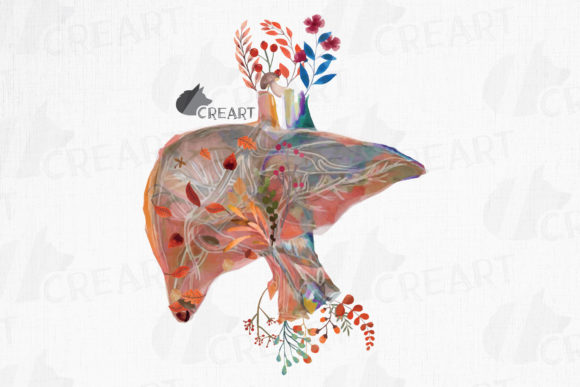
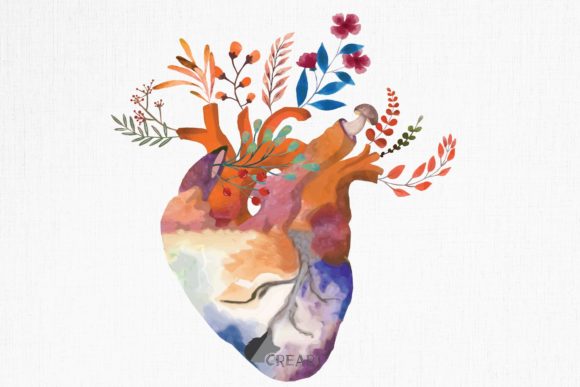
There is something undeniably captivating about the intersection of science and nature, especially when wrapped in the warm, nostalgic tones of fall. Autumn Anatomical Floral Human Heart Art represents more than just a pretty image; it is a versatile design element that bridges the gap between medical precision and organic beauty. This specific style of artwork features a detailed, realistic human heart structure intertwined with seasonal foliage—think burnt orange maple leaves, deep red berries, golden ginkgo, and twisting vines. It creates a visual narrative that speaks to life, growth, and the changing seasons, making it an incredibly powerful tool for creators, professionals, and hobbyists alike.
When you dive into the world of this art style, you aren't just looking at a static picture. You are accessing a resource that can transform ordinary projects into meaningful statements. Whether you are a medical student navigating the stresses of cardiology rotations, a small business owner preparing for the holiday rush, or a DIY enthusiast planning a unique wedding theme, this imagery offers a fresh perspective. The blend of anatomical accuracy with the softness of blooming autumn flowers softens the clinical edge of medical illustrations, making them approachable and emotionally resonant.
Elevating Personal Gifting and Stationery
One of the most immediate and impactful ways to utilize an autumn blooming anatomical heart card design is through personalized gifting. We often struggle to find cards that feel genuine rather than generic. A standard "Get Well Soon" or "Thank You" card rarely captures the depth of sentiment we want to convey, especially for someone in the medical field. Imagine sending a floral human heart gift art card to a friend who just matched into their residency program during the fall season. The symbolism is potent: the heart represents their new career path, while the autumn blooms signify a new chapter beginning.
This art style shines particularly bright as a medical Thanksgiving gift template. For many, Thanksgiving is a time to express gratitude to those who care for us. A handmade card featuring this clip art allows you to thank a nurse, doctor, or EMT in a way that acknowledges their profession without being sterile. Because the files often come in high-resolution formats like PNG with transparent backgrounds, you can easily place the individual clip art on any color or background you like. This means you can match the cardstock to the recipient's favorite colors or the specific decor of your home.
Beyond cards, this imagery is perfect for scrapbooking projects. If you are documenting a year in the life of a med student or creating a memory book for a healthcare worker, these elements add a thematic consistency that ties pages together. The ability to resize vector objects without any quality loss ensures that whether you are filling a small corner of a page or creating a full-spread background, the lines remain crisp and the details sharp.
Apparel, Merchandise, and Sublimation Projects
The rise of print-on-demand and home crafting has made it easier than ever to turn digital art into wearable expressions. Autumn Anatomical Floral Human Heart Art is exceptionally well-suited for sublimation and waterslide transfers. Consider the niche market of medical apparel. Standard scrubs can be boring, but a tumbler or mug featuring this intricate design becomes a conversation starter in the breakroom. You can create a cardiology med student gift template that includes a custom water bottle, perfect for those long shifts where hydration is key but style is often overlooked.
For those running small online shops, this art provides a ready-made asset for clothing lines. T-shirts featuring the anatomical heart surrounded by fall leaves appeal to a specific demographic: people who love science, nature, and the aesthetic of the darker, cozier months. The fact that colors can be changed in the source files (like AI or EPS) means you can offer variations. Perhaps one customer wants the traditional orange and red palette, while another prefers a monochromatic look for a more subtle statement. Having access to layered Photoshop files or vector formats gives you the control to make these adjustments quickly, speeding up your production time.
Stickers are another huge avenue. A die-cut sticker of this design can adorn a laptop, a stethoscope case, or a car bumper. It serves as a badge of identity for anyone proud of their connection to the medical field or their love for botanical art. Since the purchase typically includes a DXF file, cutting machine users can easily import the design to create precise vinyl decals, expanding the range of products you can offer beyond just printed ink.
Event Decor and Thematic Design
Weddings and special events are increasingly moving away from cookie-cutter themes toward something more personal and eclectic. An autumn blooming anatomical heart motif is a stunning choice for couples who met in medical school or work in healthcare. It adds a touch of intellectual romance to the decor. Imagine floral wall decor at a reception where the centerpiece isn't just flowers, but an artistic interpretation of the heart—the organ of love—intertwined with the season of harvest. This creates a cohesive look that feels intentional and deeply personal.
Invitations are the first glimpse guests get of an event's vibe. Using this clip art to dress up your invitations sets a tone that is both elegant and unique. You can use the SVG file to scale the image perfectly for envelope liners or as a wax seal stamp design. The versatility of the file formats ensures that whether you are printing at home on a high-quality inkjet or sending files to a professional printer, the output will be flawless. The absence of logos and paper textures on purchased items means the final product looks professionally designed, not like a downloaded template.
Web design is another frontier where this art can make a splash. For blogs focused on health, wellness, or medical education, having a custom header or banner featuring this art can define the brand's visual identity. It signals to the reader that the content is grounded in science but delivered with warmth and humanity. The transparent PNGs allow web designers to overlay the image on various background colors or gradients without unsightly white boxes ruining the layout.
Technical Considerations and File Versatility
When choosing digital assets for your projects, understanding the file types is crucial for getting the best results. A comprehensive package for this type of art usually includes a wide array of formats to suit different skill levels and software preferences. Having a JPG file is great for quick previews or simple uploads to social media where transparency isn't needed. However, the real power lies in the vector formats like SVG, AI, and EPS.
Vector files are essential because they allow you to resize the image infinitely. Whether you are printing a massive banner for a conference booth or a tiny logo for a pen, the lines will never pixelate. This is particularly important for anatomical art, where the fine details of the arteries and veins need to remain distinct. If those lines blur, the scientific accuracy is lost, and the art loses its impact. Corel Draw compatible EPS files ensure that users of that popular vector software aren't left out, broadening the accessibility of the design.
Layered Photoshop files (PSD) are a game-changer for customization. They allow you to isolate specific elements—perhaps you want to highlight just the leaves or change the color of the heart muscle while keeping the foliage the same. This level of control is vital for branding or matching specific color schemes. Additionally, the inclusion of a PDF makes it easy to share proofs with clients or print directly from programs that handle PDFs well. The DXF file caters specifically to the crafting community using plotters, ensuring that the physical cut matches the digital vision.
Navigating Limitations and Best Practices
While Autumn Anatomical Floral Human Heart Art is incredibly flexible, there are practical considerations to keep in mind. First, always check the licensing terms regarding commercial use. While many packages allow for unlimited personal and commercial projects, some may have restrictions on the number of physical items sold if using the design "as is" without significant modification. It is always wise to add your own creative twist, such as combining the heart art with typography or other graphical elements, to create a truly unique product.
Color management is another factor. Screens display colors in RGB (light), while printers use CMYK (ink). The vibrant oranges and deep reds of autumn can sometimes shift when printed. It is advisable to do a test print on the specific material you intend to use, whether it's cotton fabric for a t-shirt, ceramic for a mug, or cardstock for an invitation. This ensures that the "burnt orange" doesn't turn into a muddy brown. Furthermore, when using waterslide transfers or sublimation, the base color of the item matters. These designs often look best on white or light-colored backgrounds unless the specific PNG provided includes a solid background layer intended for dark surfaces.
Ultimately, the value of this art lies in its ability to tell a story. It connects the mechanical function of the human body with the cyclical beauty of nature. By leveraging the high-quality files available—ranging from raster images to editable vectors—you can bring this story to life in countless ways. From a heartfelt note to a future cardiologist to a striking piece of wall art in a clinic waiting room, the applications are limited only by your imagination. Embracing this design trend allows you to create work that feels current, thoughtful, and visually stunning.