Blending Beauty and Biology: The Unique Appeal of the Floral Anatomical Urinary Tract System
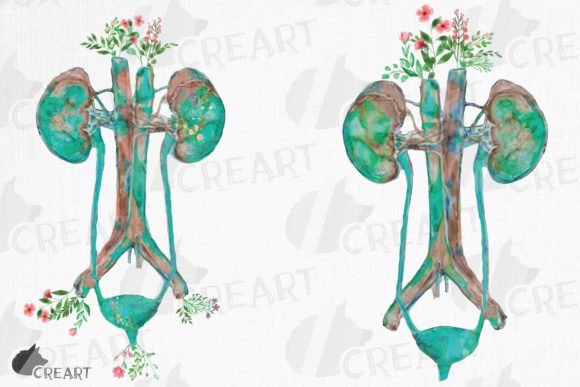
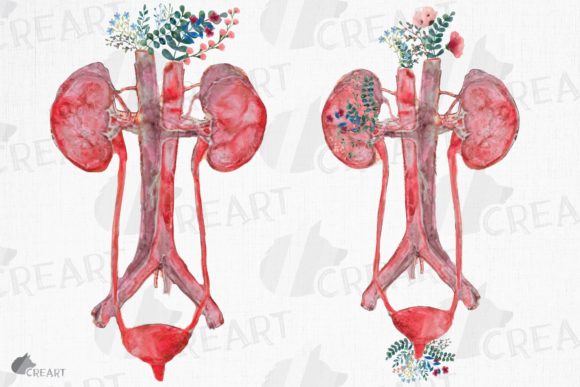
There is a distinct shift happening in the world of medical illustration and creative design. For decades, anatomical charts were strictly clinical—sterile, black-and-white diagrams meant solely for textbooks and examination rooms. Today, however, there is a growing appetite for designs that humanize biology, turning complex systems into art. Enter the Floral Anatomical Urinary Tract System, a concept that might sound unusual at first but offers a fascinating bridge between scientific accuracy and aesthetic beauty. This design approach takes the intricate structures of the kidneys, ureters, bladder, and urethra and weaves them with delicate watercolor florals, creating a visual language that is both educational and deeply decorative.
At its core, this style of artwork reimagines how we interact with medical imagery. Instead of viewing the urinary system as a purely functional or sometimes uncomfortable topic, the infusion of botanical elements softens the presentation. It transforms a standard biological diagram into a piece of wall decor that could comfortably hang in a modern home, a holistic wellness studio, or a urologist's office that wants to put patients at ease. The juxtaposition of organic flower petals against the structured lines of human anatomy creates a striking visual balance, reminding us that the human body is itself a natural wonder, worthy of the same artistic reverence we give to a garden.
Practical Applications for Medical Professionals and Educators
For urologists, nephrologists, and medical educators, the environment plays a crucial role in patient comfort. Traditional anatomical posters can feel cold and intimidating, especially for patients dealing with sensitive issues like kidney stones, infections, or incontinence. Utilizing a watercolor floral anatomical urinary tract system design in a clinic waiting room or consultation area can significantly alter the atmosphere. It signals to patients that the practice values both science and the human experience. These graphics serve as excellent conversation starters, allowing doctors to explain conditions using a visual aid that is less stark than a textbook image.
Beyond the clinic, these designs are invaluable for nursing schools and biology classrooms. When students are introduced to complex systems, engagement is key. A floral human urinary system clip art used in lecture slides, handouts, or study guides can make the material feel more accessible and less dry. It helps in memorization by associating biological structures with familiar natural forms. Furthermore, because these files often come in vector formats like SVG, AI, and EPS, educators can resize them for massive projection screens or shrink them for pocket-sized study cards without losing any resolution quality.
Elevating Personal Projects and Custom Merchandise
The versatility of these digital assets extends far beyond the medical field. For crafters, small business owners, and DIY enthusiasts, the ability to access high-resolution files opens up a world of creative possibilities. Imagine creating a custom gift for a nurse who just graduated or a doctor celebrating a retirement. A tumbler or mug featuring a sublimation transfer of this floral anatomy design becomes a personalized tribute to their career, blending their professional identity with an artistic flair that standard "World's Best Doctor" mugs simply cannot match.
The technical specifications of these packages are designed with the maker in mind. Receiving a bundle that includes PNG images with transparent backgrounds means you can place the individual clip art on any color fabric, paper, or digital canvas without worrying about unsightly white boxes around the image. Whether you are using a Cricut or Silhouette machine with the included DXF and SVG files to cut vinyl for a car decal, or using the layered Photoshop file to create a complex wedding invitation suite, the flexibility is immense. The fact that colors can be changed in the vector files allows you to match specific brand palettes or wedding themes seamlessly.
Consider the scrapbooking community. Documenting a journey through medical school, a personal health recovery, or a loved one's battle with urinary health issues can be therapeutic. Incorporating these artistic elements into memory books adds a layer of dignity and beauty to the narrative. Similarly, for those running online stores specializing in niche apparel, offering t-shirts with this unique design taps into a market of medical professionals who want to wear their pride subtly and stylishly, rather than loudly.
Design Considerations and Technical Flexibility
When choosing to work with Floral Anatomical Urinary Tract System graphics, understanding the file formats is essential for getting the best results. The inclusion of vector files (AI, EPS, SVG) is a major strength. Unlike raster images that pixelate when enlarged, vectors allow you to scale the design from a tiny sticker to a massive wall mural without any loss of quality. This is particularly important for large-format printing, such as canvas wall art or banner displays for medical conferences.
However, there are practical considerations to keep in mind. While the floral overlay adds beauty, it is important to ensure that the underlying anatomical structures remain recognizable if the goal is educational. The best designs strike a balance where the flowers accentuate the organs rather than obscuring critical details like the renal pelvis or the trigone of the bladder. For pure decorative purposes, this constraint is looser, allowing for more artistic freedom. Additionally, when preparing files for sublimation or screen printing, checking the color profiles (CMYK vs. RGB) in the provided PDF or JPG files ensures that the vibrant watercolor hues translate accurately to the physical product.
The absence of logos and paper textures in the purchased items is another critical feature for professional use. It ensures that the final product looks polished and proprietary to your brand or project. Whether you are a web designer looking to add a unique hero image to a health blog or a stationery designer creating greeting cards for medical milestones, having clean, layered elements gives you full control over the composition.
A New Standard for Medical Art
The rise of the Floral Anatomical Urinary Tract System represents a broader trend where functionality meets aesthetics. It proves that medical imagery does not have to be sterile to be accurate. By embracing these designs, we open up new avenues for expression in healthcare, education, and personal creativity. From calming a nervous patient in a clinic to adorning a custom-made gift for a healthcare hero, these images serve a multitude of purposes. They remind us that even the most internal, hidden parts of our biology are connected to the natural world, worthy of celebration through art. As technology makes these high-quality, editable files more accessible, we can expect to see this beautiful fusion of flora and fauna appearing in more unexpected and delightful places.